
What Causes Bladder Leaks in Women Over 40?
What You Need to Know About Bladder Leaks After 40
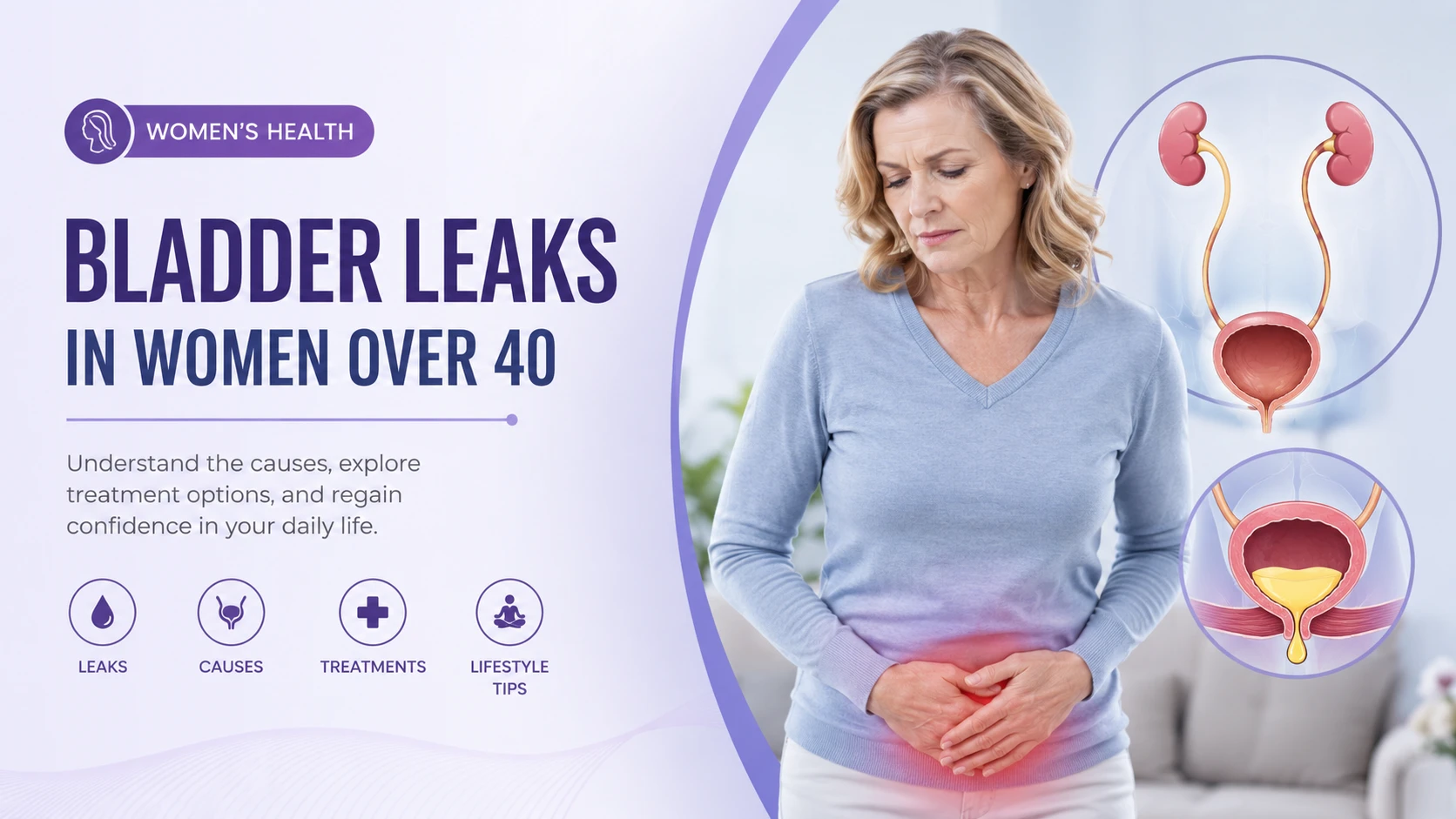
Bladder leaks are a common concern for many women over 40, often affecting confidence, daily activities, and overall urinary wellness. Understanding the most common causes can help you take proactive steps to support bladder health and improve bladder control.
💡 Quick Answer: Why Do Women Over 40 Experience Bladder Leaks?
Bladder leaks in women over 40 are often caused by a combination of hormonal changes, weakened pelvic floor muscles, and age-related changes in bladder function. Menopause, stress urinary incontinence, overactive bladder, excess weight, and certain lifestyle habits can all affect bladder control and contribute to urinary leakage.
Common Causes at a Glance
✔ Hormonal Changes During Menopause
✔ Weak Pelvic Floor Muscles
✔ Stress Urinary Incontinence
✔ Overactive Bladder (OAB)
✔ Weight Gain & Lifestyle Factors
✔ Changes in the Urinary Microbiome
While bladder leaks become more common with age, understanding the underlying causes can help women take steps to support bladder health, urinary wellness, and overall quality of life.
Table Of Contents
- What Are Bladder Leaks?
- 5 Common Causes of Bladder Leaks in Women Over 40
- Hormonal Changes During Menopause
- Weakening Pelvic Floor Muscles
- Overactive Bladder and Urinary Urgency
- Certain Foods and Lifestyle Habits
- Signs You Shouldn't Ignore
- What Can Women Do to Support Bladder Health?
- Natural Ways to Support Bladder Wellness
- Frequently Asked Questions
- Final Thoughts
What Are Bladder Leaks?
Bladder leaks, also known as urinary incontinence, occur when urine escapes unintentionally due to a loss of bladder control. The amount of leakage can vary from a few drops during activities such as laughing or sneezing to a stronger urge that makes it difficult to reach the restroom in time.
Although bladder leaks can affect women of any age, they become increasingly common after 40. Changes in hormone levels, pelvic floor strength, and overall bladder function can all contribute to urinary leakage and reduced bladder control.
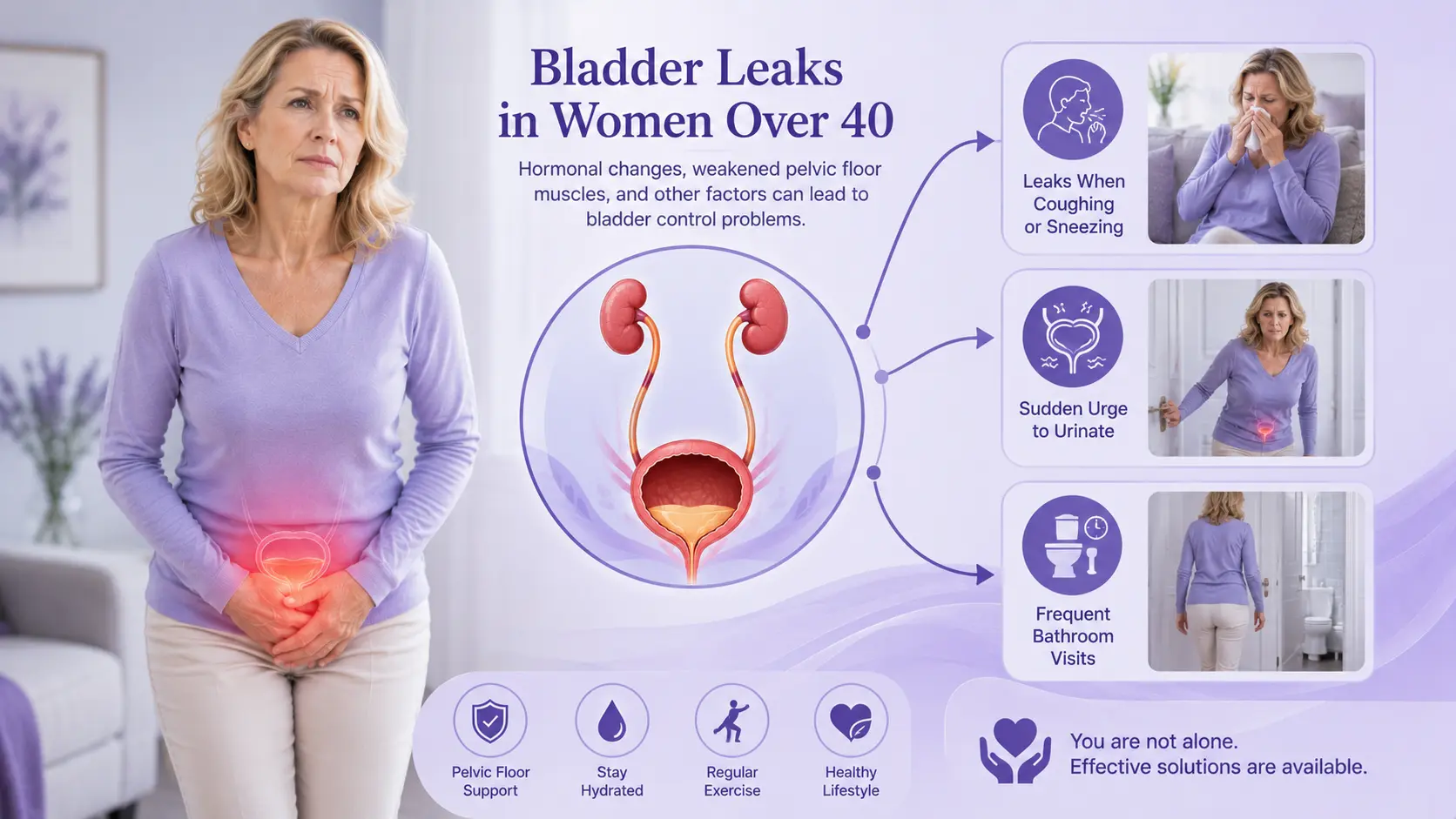
It’s important to understand that bladder leaks are a symptom rather than a disease itself. Identifying the underlying cause can help women take appropriate steps to support bladder health, improve urinary wellness, and maintain confidence in daily life.
Common Symptoms of Bladder Leaks
✔ Leaking urine when coughing, laughing, or sneezing
✔ Sudden urges to urinate that are difficult to control
✔ Frequent bathroom trips during the day or night
✔ Leakage during exercise or physical activity
✔ Difficulty holding urine long enough to reach a restroom
5 Common Causes of Bladder Leaks in Women Over 40
Hormonal Changes During Menopause
Declining estrogen levels can affect the tissues that help support normal bladder control.
Changes in the Urinary Microbiome
A healthy balance of beneficial bacteria may play an important role in maintaining urinary wellness.
Important: Bladder leaks can develop for several reasons, especially as women get older. Changes in hormone levels, pelvic floor strength, bladder function, and everyday lifestyle habits can all play a role in urinary leakage. Understanding these common causes can help women take proactive steps to support long-term bladder health and urinary wellness.
Weakening Pelvic Floor Muscles
The muscles that support the bladder may weaken with age, pregnancy history, and reduced physical activity.
Overactive Bladder and Urinary Urgency
Some women experience sudden urges to urinate, making it difficult to reach a restroom in time.
Certain Foods and Lifestyle Habits
Caffeine, alcohol, smoking, and other lifestyle factors can sometimes contribute to bladder irritation and urgency.
Hormonal Changes During Menopause
One of the most common reasons women experience bladder leaks after 40 is the hormonal changes that occur during perimenopause and menopause. As estrogen levels naturally decline, the tissues that support the bladder and urinary tract may become thinner, less elastic, and more sensitive.
Estrogen plays an important role in maintaining the health of the urinary system. When levels decrease, some women may notice changes in bladder control, increased urinary urgency, or more frequent trips to the bathroom. These changes can make occasional urine leakage more likely, especially during everyday activities such as laughing, coughing, or exercising.

Not every woman will experience the same symptoms, but menopause-related changes are commonly associated with shifts in bladder function and overall urinary wellness. Understanding this connection can help women recognize that bladder leaks may be linked to natural hormonal changes rather than simply aging itself.
Weakening Pelvic Floor Muscles
The pelvic floor muscles play a crucial role in supporting the bladder, uterus, and other pelvic organs. These muscles also help control the release of urine by providing support to the urinary system.
As women age, the pelvic floor can gradually lose strength due to factors such as pregnancy, childbirth, hormonal changes, excess weight, and reduced physical activity. When these muscles become weaker, they may not provide the same level of support for the bladder, increasing the likelihood of urine leakage.
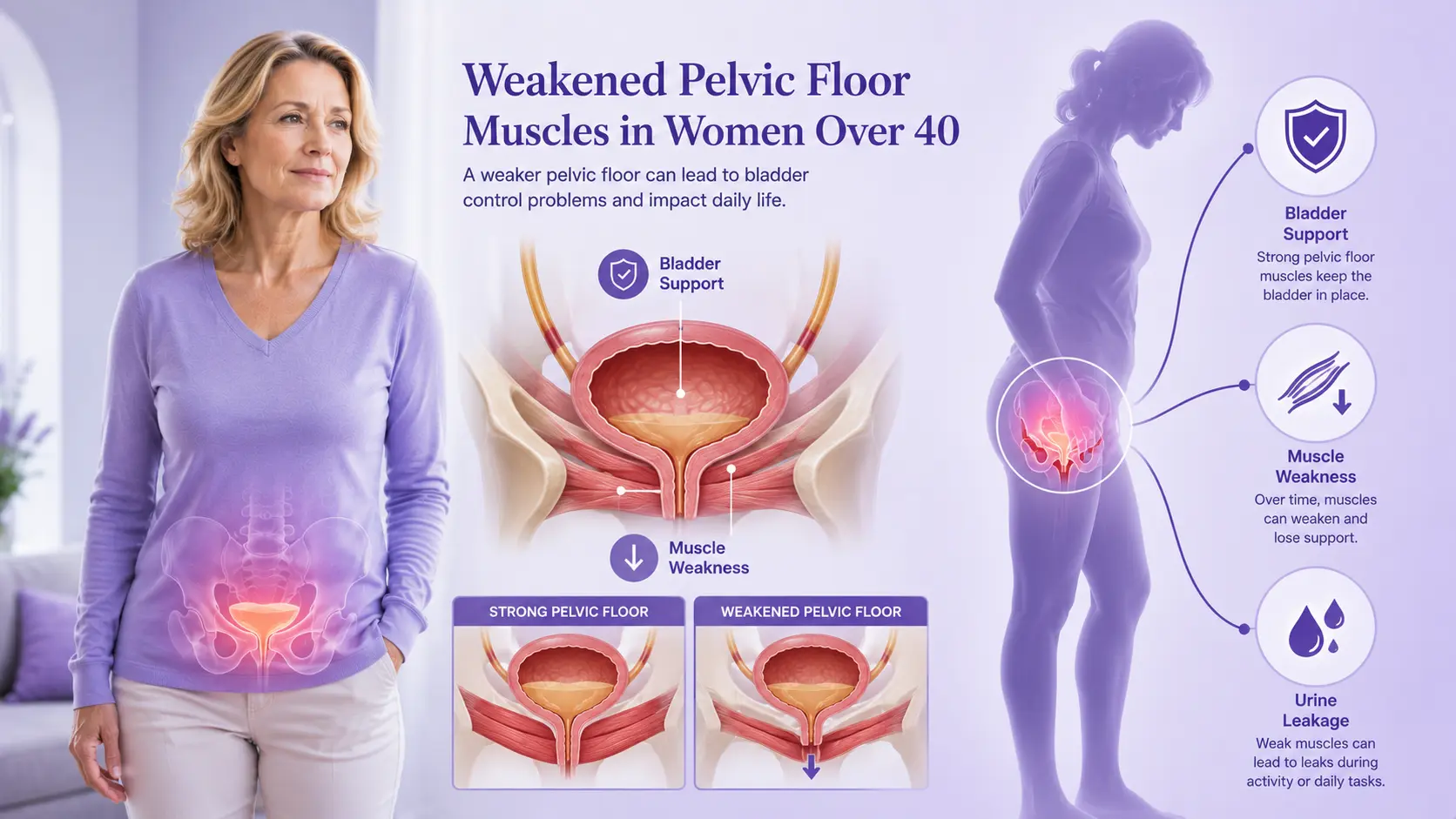
Many women first notice leaks when they cough, laugh, sneeze, lift heavy objects, or exercise. This type of leakage is often associated with reduced pelvic floor support and can become more noticeable after menopause.
The good news is that pelvic floor strength can often be improved through targeted exercises and healthy lifestyle habits. Supporting these muscles may help improve bladder control, promote urinary wellness, and reduce occasional bladder leaks over time.
Overactive Bladder and Urinary Urgency
An overactive bladder (OAB) is a condition that causes a sudden and often difficult-to-control urge to urinate. Unlike occasional bathroom trips, urinary urgency can occur unexpectedly, even when the bladder is not completely full.
Women with an overactive bladder may feel the need to use the restroom more frequently throughout the day and night. In some cases, the urge can become so strong that urine leakage occurs before reaching a toilet. This is commonly known as urge incontinence.
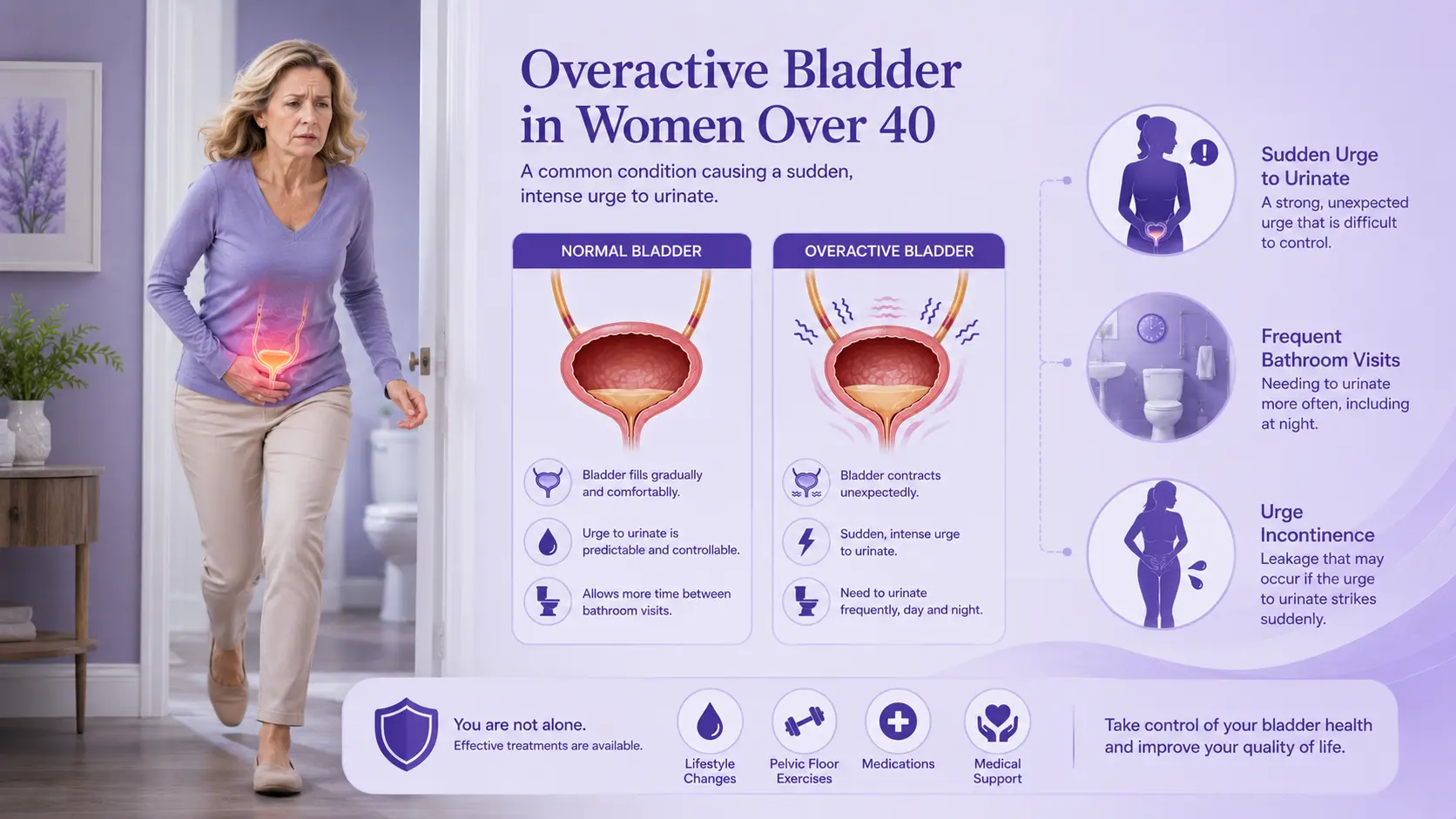
While the exact causes can vary, age-related changes in bladder function, hormonal shifts, nerve signaling, and certain lifestyle factors may contribute to increased bladder sensitivity. Some women find that specific triggers, such as caffeine, alcohol, or stress, can make symptoms more noticeable.
Recognizing the signs of an overactive bladder is important because it can affect daily routines, sleep quality, travel, exercise, and overall urinary wellness. Understanding the condition is often the first step toward finding strategies that support better bladder control and long-term bladder health.
Certain Foods and Lifestyle Habits
Some everyday habits and dietary choices may contribute to bladder irritation, urinary urgency, or occasional bladder leaks in certain women. While triggers can vary from person to person, the following factors are commonly associated with reduced bladder comfort and control.
☕ Caffeine
Coffee, tea, energy drinks, and some sodas may stimulate the bladder and increase the urge to urinate more frequently.
🥤 Carbonated Beverages
Fizzy drinks may irritate the bladder in sensitive individuals and potentially worsen urgency-related symptoms.
🍷 Alcohol
Alcohol can act as a diuretic, which may increase urine production and contribute to urinary urgency in some individuals.
🚬 Smoking
Smoking is associated with chronic coughing, which can place additional pressure on the bladder and pelvic floor muscles over time.
💧 Poor Hydration Habits
Both dehydration and excessive fluid intake can sometimes affect bladder function and urinary comfort.
What Matters Most?
While certain ingredients may offer supportive benefits, no single herb or tea ingredient can guarantee significant weight loss. The overall effectiveness of any slimming tea depends on the complete formula, individual lifestyle habits, and long-term consistency.
Signs You Shouldn't Ignore
Occasional bladder leaks can be common, especially during menopause and aging. However, some symptoms may indicate that it’s time to speak with a healthcare professional rather than simply assuming the problem will go away on its own.
Pay attention to changes in your urinary habits, particularly if symptoms become more frequent, severe, or disruptive to daily life.
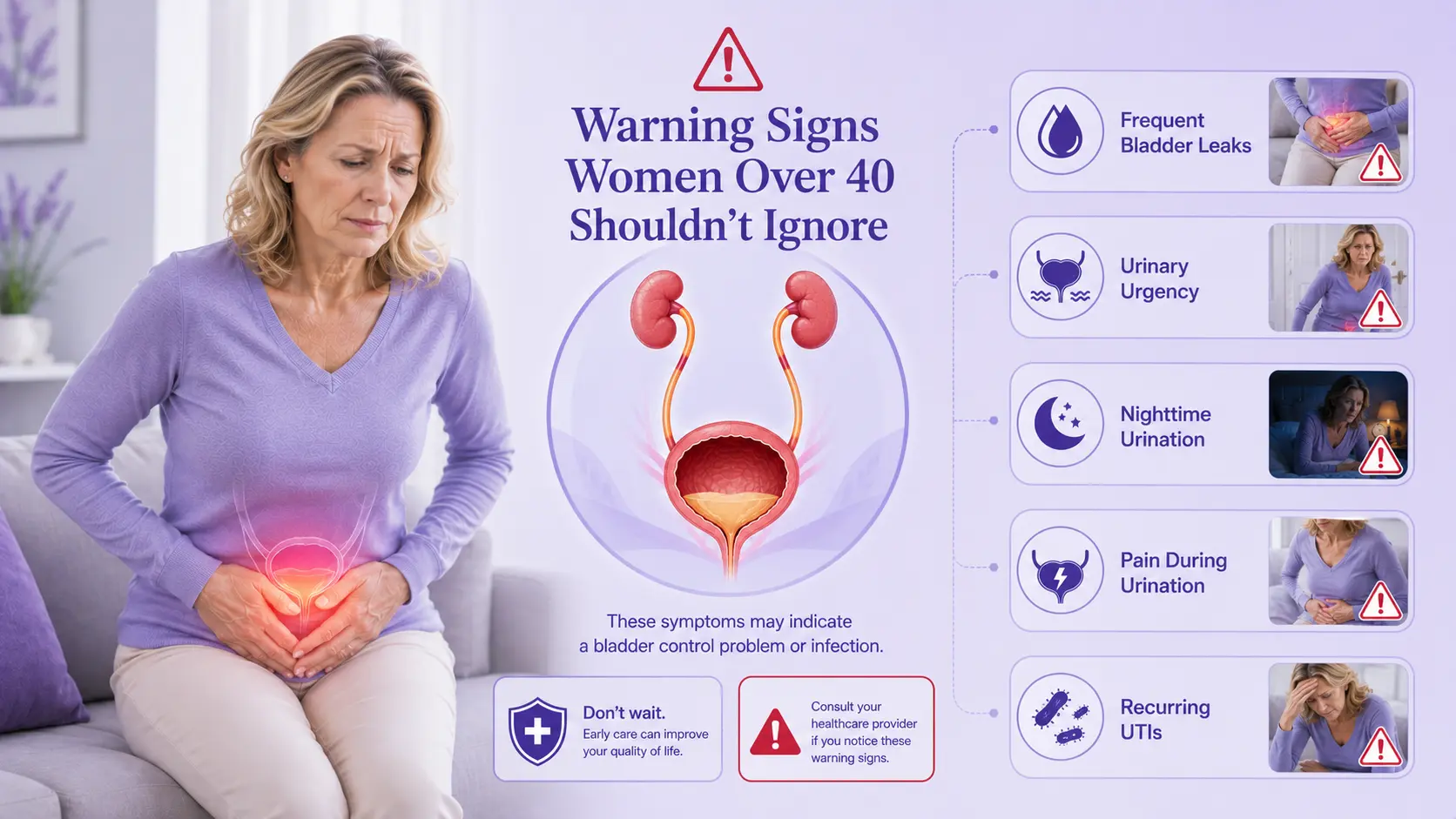
Watch for These Warning Signs
✔ Frequent bladder leaks that occur regularly or worsen over time
✔ Sudden, intense urges to urinate that are difficult to control
✔ Waking up multiple times at night to use the bathroom
✔ Pain or burning during urination
✔ Blood in the urine
✔ Recurring urinary tract infections (UTIs)
✔ Bladder leaks that interfere with daily activities, exercise, or sleep
While these symptoms do not always indicate a serious condition, they should not be ignored. Seeking medical advice can help women better understand what’s causing their symptoms and explore options for supporting long-term bladder health and urinary wellness.
What Can Women Do to Support Bladder Health?
While bladder leaks can be frustrating, there are several practical steps women can take to support bladder health, improve urinary wellness, and maintain better bladder control. Small lifestyle changes, healthy habits, and consistent routines may make a meaningful difference over time.
🏃 Pelvic Floor Exercises
Regular pelvic floor exercises, often called Kegels, may help strengthen the muscles that support the bladder and improve urinary control.
🚻 Practice Bladder Training
Bladder training techniques may help some women gradually improve bladder control and reduce frequent bathroom visits.
⚖️ Maintain a Healthy Weight
Managing body weight can reduce pressure on the bladder and pelvic floor, helping support normal bladder function.
💧 Stay Properly Hydrated
Drinking enough water is important for urinary tract health. Both dehydration and excessive fluid intake can affect bladder comfort.
🥗 Focus on Nutrition
A balanced diet rich in nutrients may support overall wellness, including the health of the urinary tract and bladder.
Natural Ways to Support Bladder Wellness
Supporting bladder wellness often involves a combination of healthy habits, proper hydration, balanced nutrition, and long-term lifestyle choices. While there is no single solution that works for everyone, many women find that consistent wellness practices can help support overall urinary tract health and bladder comfort.

🏃 Pelvic Floor Exercises
Regular pelvic floor exercises, often called Kegels, may help strengthen the muscles that support the bladder and improve urinary control.
🚻 Practice Bladder Training
Bladder training techniques may help some women gradually improve bladder control and reduce frequent bathroom visits.
⚖️ Maintain a Healthy Weight
Managing body weight can reduce pressure on the bladder and pelvic floor, helping support normal bladder function.
💧 Stay Properly Hydrated
Drinking enough water is important for urinary tract health. Both dehydration and excessive fluid intake can affect bladder comfort.
🥗 Focus on Nutrition
A balanced diet rich in nutrients may support overall wellness, including the health of the urinary tract and bladder.
Frequently Asked Questions
Bladder leaks become more common as women get older, but they should not be considered an inevitable part of aging. Various factors such as menopause, pelvic floor changes, and lifestyle habits can contribute to bladder control issues.
Coughing, sneezing, laughing, or exercising can increase pressure on the bladder. If the pelvic floor muscles are weakened, urine leakage may occur during these activities.
Yes. Declining estrogen levels during menopause may affect the tissues that support the bladder and urinary tract, which can contribute to changes in bladder control and urinary wellness.
An overactive bladder is characterized by a sudden, difficult-to-control urge to urinate. Some women may also experience frequent bathroom visits or urge-related urine leakage.
Yes. Factors such as caffeine intake, alcohol consumption, smoking, hydration habits, and body weight may influence bladder comfort and urinary function.
Many women focus on healthy lifestyle habits such as staying hydrated, maintaining a healthy weight, exercising regularly, supporting microbiome balance, and following a consistent wellness routine designed to promote bladder health and urinary wellness.
Explore Related Products

All Day Slimming Tea Review
Learn more about the ingredients, potential benefits, pricing, customer feedback, and overall value of All Day Slimming Tea in our complete review.

FemiCore: Natural Support for Bladder Health and Urinary Wellness
Natural bladder health support with probiotics and botanicals for everyday urinary wellness.
Final Thoughts
Bladder leaks are a common concern for many women over 40, but they are often linked to identifiable factors such as menopause, weakened pelvic floor muscles, overactive bladder, and certain lifestyle habits. Understanding these causes can make it easier to take proactive steps toward better bladder health and long-term urinary wellness.
While occasional bladder leaks can be frustrating, healthy lifestyle choices, proper hydration, pelvic floor support, and microbiome-friendly habits may help support normal bladder function and improve daily confidence. Paying attention to symptoms and seeking professional advice when needed can also play an important role in maintaining urinary health.
The key takeaway is that bladder leaks are common, but they should not be ignored. Learning about the underlying causes is the first step toward making informed decisions that support a healthier, more active, and confident lifestyle.
Additional Resources
For readers interested in learning more about bladder health, urinary wellness, and urinary incontinence, the following trusted resources may be helpful:
Health Disclosure
Disclaimer: This article is for informational and educational purposes only and should not be considered medical advice. Always consult a qualified healthcare professional before making changes to your diet, supplement routine, or weight-management plan.