
☕ Do Slimming Teas Actually Work for Weight Loss?
What You Need to Know Before Trying Slimming Tea
Slimming teas are often promoted as a way to support weight loss, metabolism, digestion, and belly-fat reduction. But do these products actually help, or are the claims exaggerated?
In this article, we’ll examine how slimming teas work, what ingredients they typically contain, their potential benefits and side effects, and what you can realistically expect from them.
💡 Quick Answer: Do Slimming Teas Really Work?
Slimming teas may support temporary weight changes, digestion, and hydration habits, but they are not magic fat burners.
Some slimming teas contain ingredients that may help support metabolism, appetite control, digestion, or water balance. However, most people will not experience significant or lasting fat loss from tea alone.
It’s also important to understand that a quick drop on the scale does not always mean body fat is being lost. In some cases, slimming teas may contribute to temporary water-weight changes rather than long-term fat reduction.
For sustainable results, healthy eating habits, regular physical activity, adequate sleep, and a consistent calorie deficit remain the most important factors for weight loss.
Key Takeaway: Slimming teas may support digestion, hydration, and appetite management, but long-term fat loss still depends on nutrition, activity levels, and overall lifestyle habits.
Table Of Contents
How Slimming Teas Claim to Work
Slimming teas are often marketed as natural products that may support weight management, digestion, and overall wellness. While formulas vary from one product to another, most slimming teas typically rely on a combination of herbs, caffeine-containing ingredients, and plant extracts.
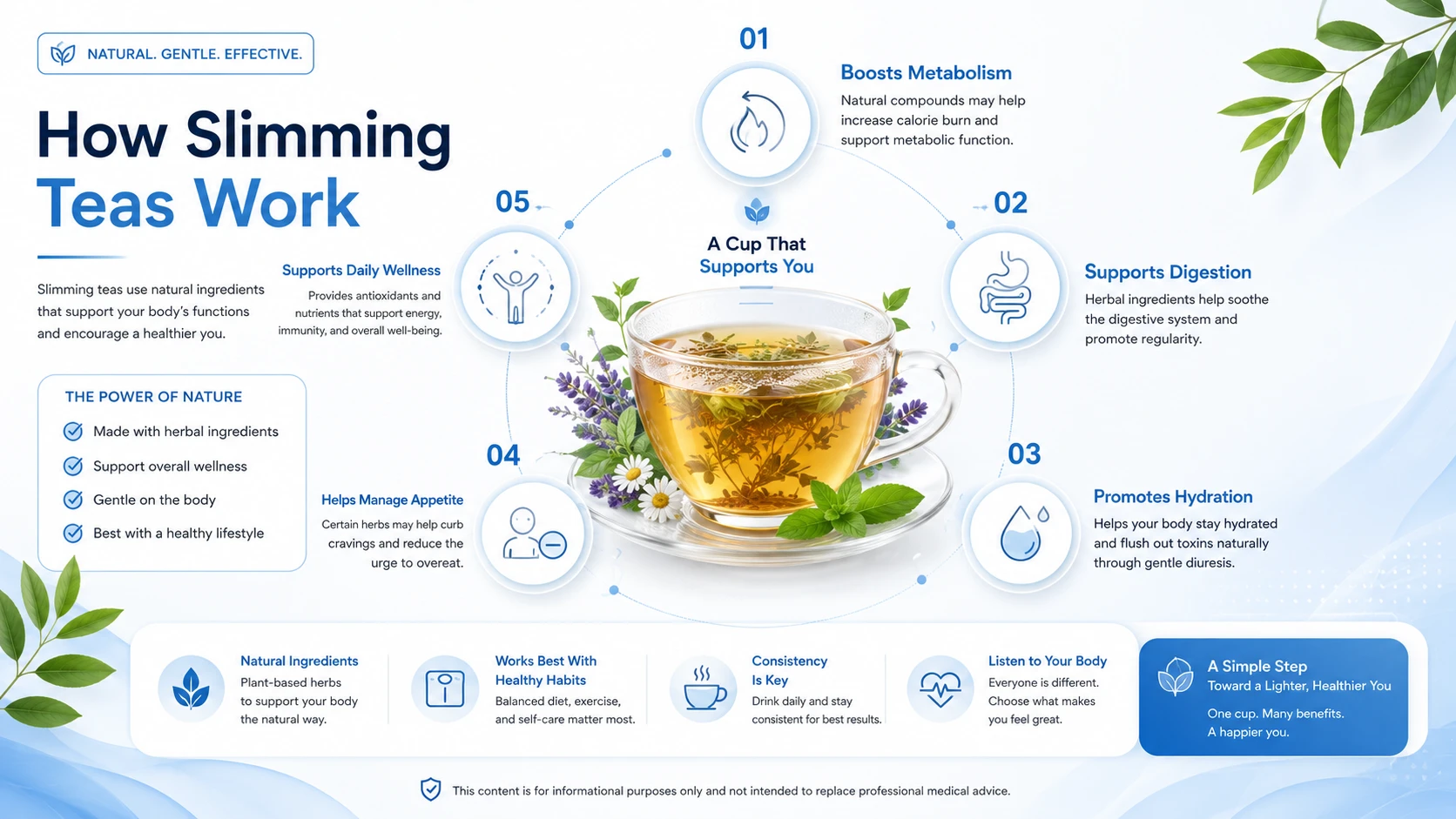
Here are the most common ways slimming teas claim to work:
Boosting Metabolism ⚡
Some slimming teas contain ingredients such as green tea, oolong tea, or caffeine, which may help slightly increase calorie expenditure and support metabolism. However, the effect is generally modest and should not be confused with rapid fat burning.
Supporting Daily Wellness Habits ☕
For some people, replacing sugary beverages with herbal tea can be a simple way to reduce excess calorie intake while encouraging better hydration throughout the day.
Important: While these mechanisms may offer support, no slimming tea can replace the fundamentals of weight loss, including a balanced diet, regular physical activity, quality sleep, and long-term healthy habits.
Supporting Appetite Control 🍽️
Certain herbal ingredients may help some people feel more satisfied between meals. This may reduce unnecessary snacking and support healthier eating habits throughout the day.
Reducing Temporary Water Weight 💧
Some ingredients may have mild diuretic properties, which can increase water loss. This can lead to a temporary drop in body weight, although it is not the same as losing body fat.
Promoting Digestion 🌿
Many slimming tea formulas include herbs traditionally used to support digestive health and regular bowel movements. Better digestion may help reduce feelings of heaviness or discomfort after meals.
Can Slimming Tea Actually Help With Weight Loss?
The honest answer is: slimming teas may support certain weight-loss habits, but they are not a magic solution for losing body fat.
Many people are attracted to slimming teas because they are easy to use and often marketed as a natural way to support weight management. However, it is important to understand the difference between temporary weight changes and actual fat loss.
Some slimming teas contain ingredients that may help support metabolism, appetite control, hydration, or digestion. These factors can indirectly support a healthy weight-loss plan when combined with proper nutrition and regular physical activity.
However, drinking tea alone does not create the calorie deficit needed for significant fat loss. Sustainable weight loss typically occurs when the body consistently burns more calories than it consumes over time.
Water Weight vs. Body Fat
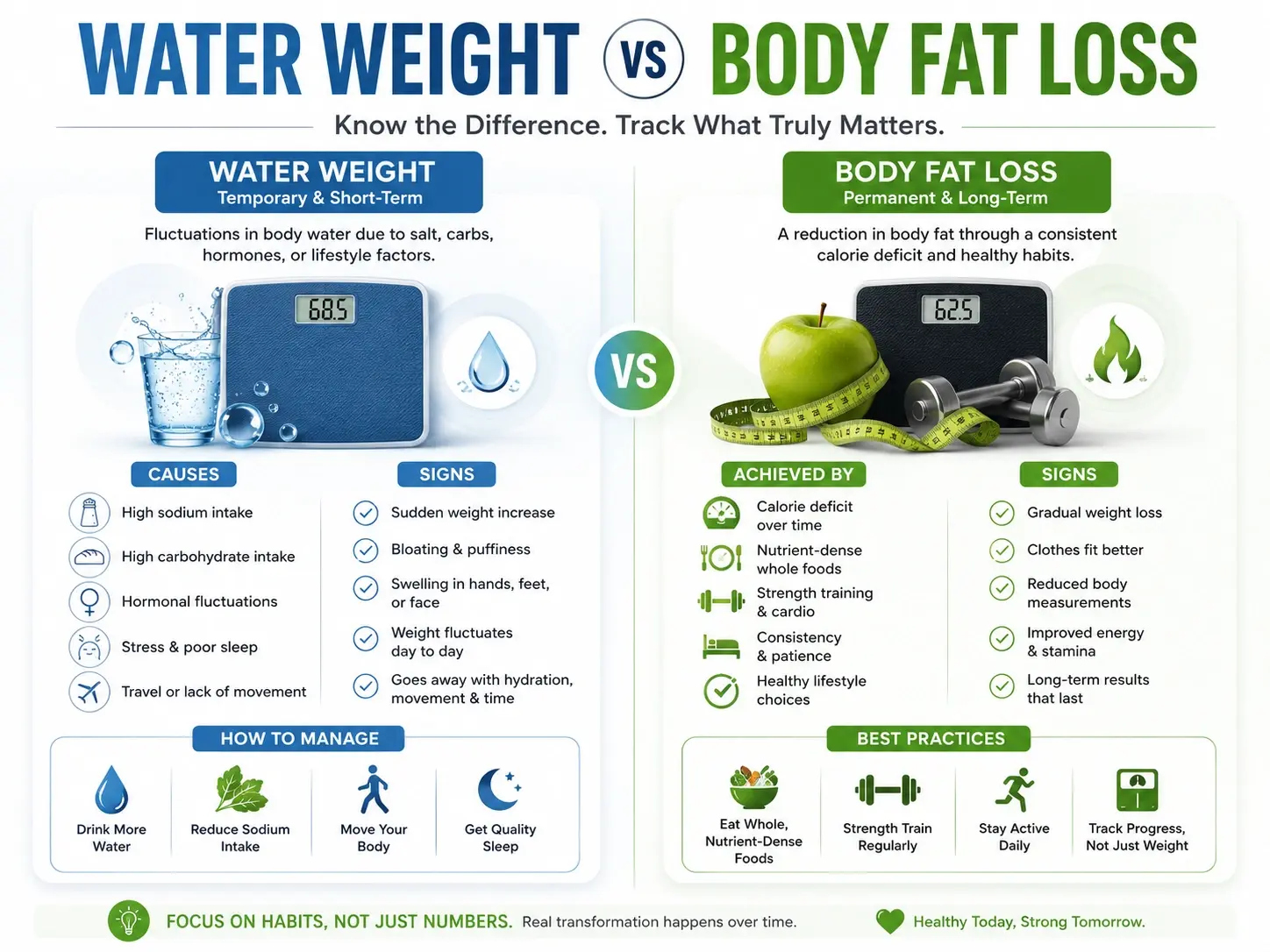
One common misconception is that a lower number on the scale always means fat loss.
In reality, some slimming teas may contribute to temporary reductions in water retention, which can cause short-term weight fluctuations. While this may make someone feel less bloated, it is different from reducing stored body fat.
The Bigger Picture
People who experience the best long-term results usually combine healthy habits such as:
- Eating a balanced diet
- Staying physically active
- Getting enough sleep
- Managing stress levels
- Maintaining consistent daily routines
Slimming teas may fit into these habits for some individuals, but they should be viewed as a supportive tool rather than a standalone weight-loss solution.
Common Ingredients in Slimming Teas
Slimming teas often contain a blend of herbs, plant extracts, and tea leaves that are commonly associated with metabolism, digestion, hydration, and overall wellness. While ingredients vary by brand, several are frequently found in weight-management tea formulas.
Green Tea 🍃
Green tea is one of the most popular ingredients in slimming teas. It contains natural compounds called catechins, along with caffeine, which may help support metabolism and daily energy expenditure.
Herbal and Botanical Blends 🌸
Some products include additional herbs, roots, or plant extracts that are traditionally used to support digestion, hydration, and overall wellness. The specific blend varies from one formula to another.
Oolong Tea 🫖
Oolong tea is a traditional tea that falls between green tea and black tea. Some studies suggest it may support calorie burning and fat metabolism when combined with a healthy lifestyle.
Caffeine-Containing Ingredients ⚡
Many slimming teas include caffeine from tea leaves or herbal sources. Caffeine may provide a temporary boost in energy and help support alertness throughout the day.
Ginger 🌿
Ginger has long been used to support digestion and gastrointestinal comfort. It is commonly included in herbal tea blends designed for wellness and digestive support.
What Matters Most?
While certain ingredients may offer supportive benefits, no single herb or tea ingredient can guarantee significant weight loss. The overall effectiveness of any slimming tea depends on the complete formula, individual lifestyle habits, and long-term consistency.
Potential Side Effects
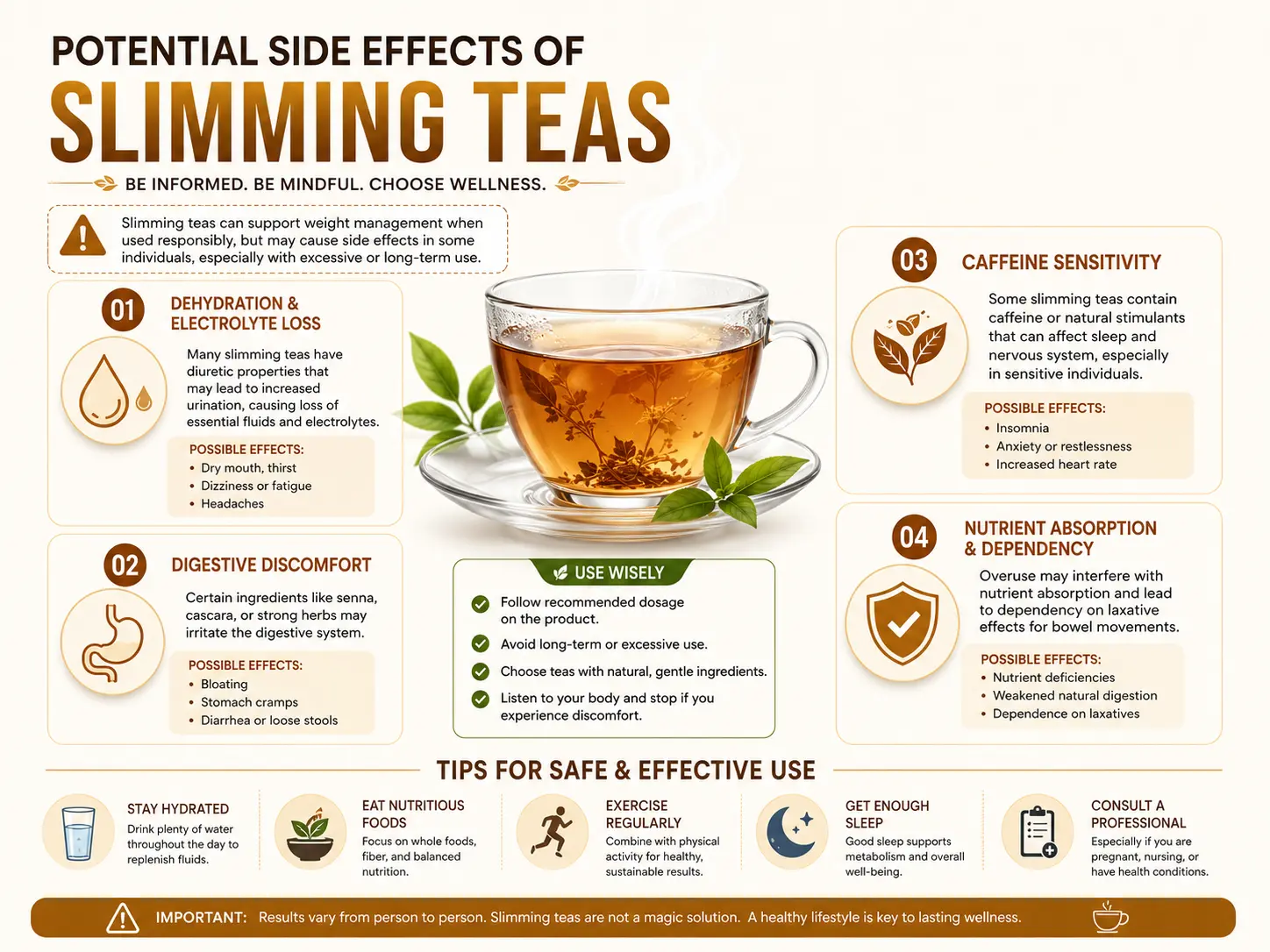
While slimming teas are often made with herbal ingredients, that does not automatically mean they are suitable for everyone. Individual responses can vary depending on the formula, ingredient sensitivity, overall health, and how frequently the product is consumed.
Digestive Discomfort
Some people may experience mild digestive symptoms such as stomach discomfort, cramping, or changes in bowel habits, especially when trying a new tea formula for the first time.
Increased Bathroom Visits
Certain ingredients found in slimming or detox teas may have mild laxative or diuretic properties. This can temporarily increase bathroom visits and contribute to short-term water-weight changes.
Dehydration Risk
If a tea increases fluid loss, it is important to stay properly hydrated throughout the day. Drinking enough water can help support overall wellness and hydration balance.
Caffeine Sensitivity
Some slimming teas contain caffeine or naturally stimulating ingredients. Individuals who are sensitive to caffeine may experience symptoms such as:
- Jitters
- Restlessness
- Increased heart rate
- Difficulty sleeping
Not Suitable for Everyone
Pregnant or breastfeeding women, individuals with certain medical conditions, and people taking prescription medications should consult a qualified healthcare professional before using any slimming tea or dietary supplement.
A Balanced Approach
For most healthy adults, occasional use of a quality slimming tea may be well tolerated when used as directed. However, it is important to view these products as part of a broader wellness routine rather than a replacement for healthy eating and lifestyle habits.
Who May Benefit Most — and Who Should Avoid Them
Slimming teas are not designed to produce identical results for everyone. Individual experiences can vary based on lifestyle habits, dietary choices, activity levels, and overall health.
Who May Benefit Most
- Adults looking to replace high-calorie sugary drinks
- Individuals focusing on healthier hydration habits
- People seeking digestive support and reduced bloating
- Those trying to build more mindful daily wellness routines
- Individuals who enjoy herbal teas as part of a balanced lifestyle
Who Should Use Extra Caution
- Pregnant or breastfeeding women
- Individuals sensitive to caffeine
- People with digestive disorders or gastrointestinal conditions
- Those taking prescription medications
- Individuals with underlying medical conditions requiring professional supervision
The Most Important Factor
Regardless of the product used, long-term weight management is typically influenced by factors such as:
- Nutrition quality
- Daily calorie intake
- Physical activity
- Sleep quality
- Stress management
- Consistency over time
A slimming tea may support healthy habits for some people, but it should not be viewed as a substitute for these foundational lifestyle factors.
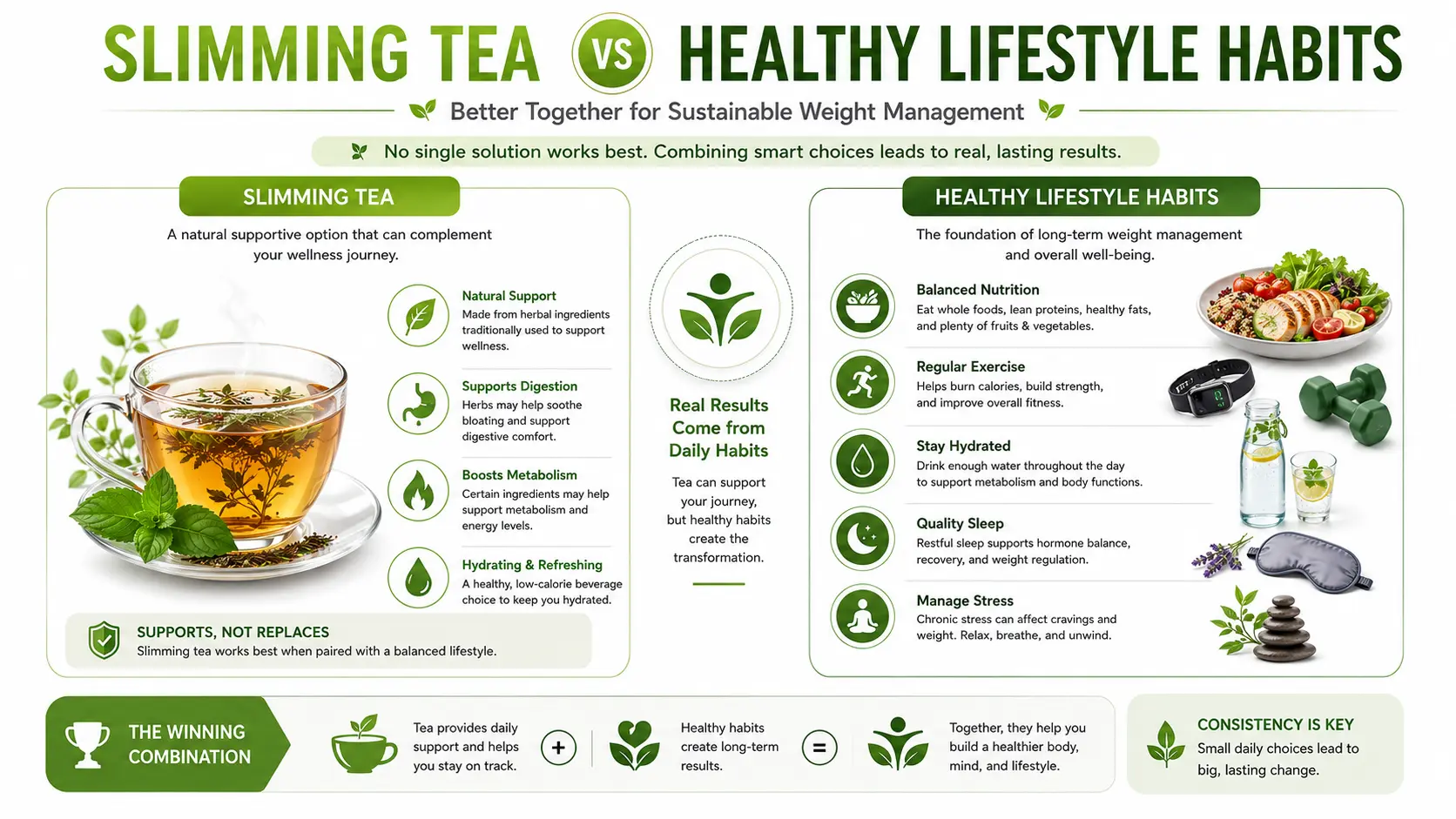
Slimming Tea vs. Healthy Lifestyle Habits
Many slimming tea products are marketed as convenient tools for weight management, but it is important to understand where they fit within a healthy lifestyle.
While certain ingredients may support hydration, digestion, appetite awareness, or daily wellness routines, no tea can replace the fundamental habits that contribute to long-term weight management.
What Matters Most for Sustainable Weight Loss?
Research consistently shows that successful long-term weight management is influenced by factors such as:
- Maintaining a balanced diet
- Managing calorie intake
- Staying physically active
- Getting adequate sleep
- Managing stress levels
- Building consistent daily habits
These lifestyle factors have a much greater impact on body composition than any single food, beverage, or supplement.
Where Can Slimming Tea Fit In?
For some individuals, slimming tea may serve as a supportive habit by:
- Replacing sugary beverages
- Encouraging better hydration
- Supporting digestive comfort
- Promoting a structured daily wellness routine
However, the tea itself is not responsible for significant fat loss. Instead, it may complement healthy choices that contribute to overall wellness.
The Bottom Line
Think of slimming tea as a potential addition to a healthy lifestyle—not a shortcut around it.
People who combine healthy eating, regular movement, quality sleep, and realistic expectations are generally more likely to achieve sustainable results than those relying on any single product alone.
Frequently Asked Questions
Slimming teas may support certain habits related to weight management, such as hydration, digestion, and appetite awareness. However, they are not a substitute for a balanced diet, regular exercise, and a sustainable calorie deficit.
There is no evidence that a slimming tea can specifically target belly fat. Fat loss typically occurs throughout the body and is influenced by factors such as nutrition, activity levels, genetics, and overall lifestyle habits.
In some cases, slimming teas may contribute to temporary reductions in water retention or increased bathroom visits. This can cause short-term changes on the scale, but it is different from long-term body-fat loss.
Safety depends on the specific ingredients and individual health circumstances. Some formulas may be suitable for regular use when used as directed, while others may contain ingredients that are not ideal for long-term daily consumption.
Many slimming teas contain ingredients such as green tea, oolong tea, ginger, caffeine-containing herbs, and other botanical extracts that are commonly associated with digestion, hydration, metabolism, and wellness support.
The most important factors are maintaining a healthy diet, staying physically active, getting enough sleep, managing stress, and building consistent daily habits. These factors generally have a greater impact on long-term results than any single product.
Explore Related Reviews
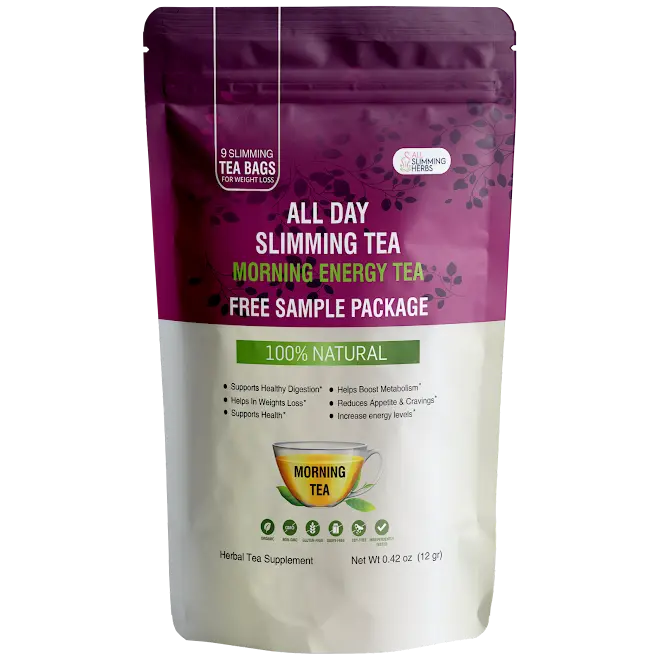
All Day Slimming Tea Review
Learn more about the ingredients, potential benefits, pricing, customer feedback, and overall value of All Day Slimming Tea in our complete review.
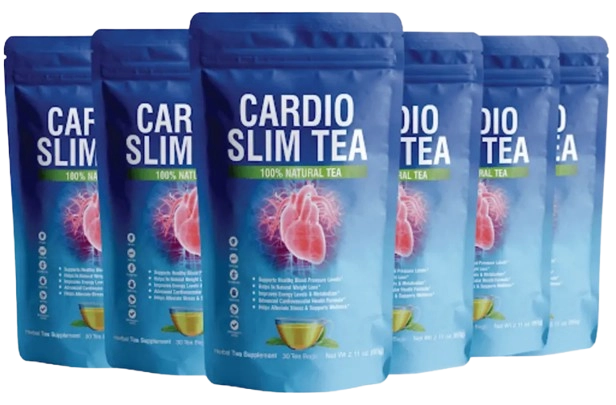
Cardio Slim Tea Review
Explore our in-depth analysis of Cardio Slim Tea, including its formula, intended benefits, safety considerations, and what users should realistically expect.
Final Verdict
Slimming teas can be a convenient addition to a healthy lifestyle, particularly for individuals looking to improve hydration habits, support digestion, or replace high-calorie beverages with lower-calorie alternatives.
However, it is important to maintain realistic expectations. While certain ingredients may support metabolism, appetite awareness, or digestive wellness, slimming teas are not a magic solution for weight loss and should not be viewed as a substitute for healthy eating, regular physical activity, quality sleep, and long-term consistency.
For most people, sustainable weight management is influenced far more by daily lifestyle habits than by any single tea, supplement, or wellness product. When used responsibly and as part of a balanced routine, slimming teas may serve as a supportive tool—but they work best when combined with the fundamentals of healthy living.
Additional Resources
For readers interested in learning more about healthy weight management and wellness, the following resources may be helpful:
Health Disclosure
Disclaimer: This article is for informational and educational purposes only and should not be considered medical advice. Always consult a qualified healthcare professional before making changes to your diet, supplement routine, or weight-management plan.