
Can Gut Health Affect Eyesight? The Gut-Eye Connection Explained
Understanding the Link Between Your Gut Microbiome and Eye Health
Most people think of eye health in terms of nutrition, screen time, aging, or regular eye exams. However, researchers are increasingly exploring another factor that may influence visual wellness: the gut-eye connection.
The gut microbiome plays an important role in digestion, immune function, inflammation, and nutrient absorption. Because these processes can affect overall health, scientists are investigating whether gut health may also have an impact on the eyes.
This growing area of research has inspired interest in both lifestyle approaches and supplements designed around the gut-eye concept. For example, products such as VisiFlora combine traditional vision-support nutrients with ingredients intended to support digestive wellness. In this article, we’ll examine what current research says about the relationship between gut health and vision, the role of the gut microbiome, and practical ways to support both.
Interested in a supplement built around the gut-eye connection?
What Is the Gut-Eye Connection?
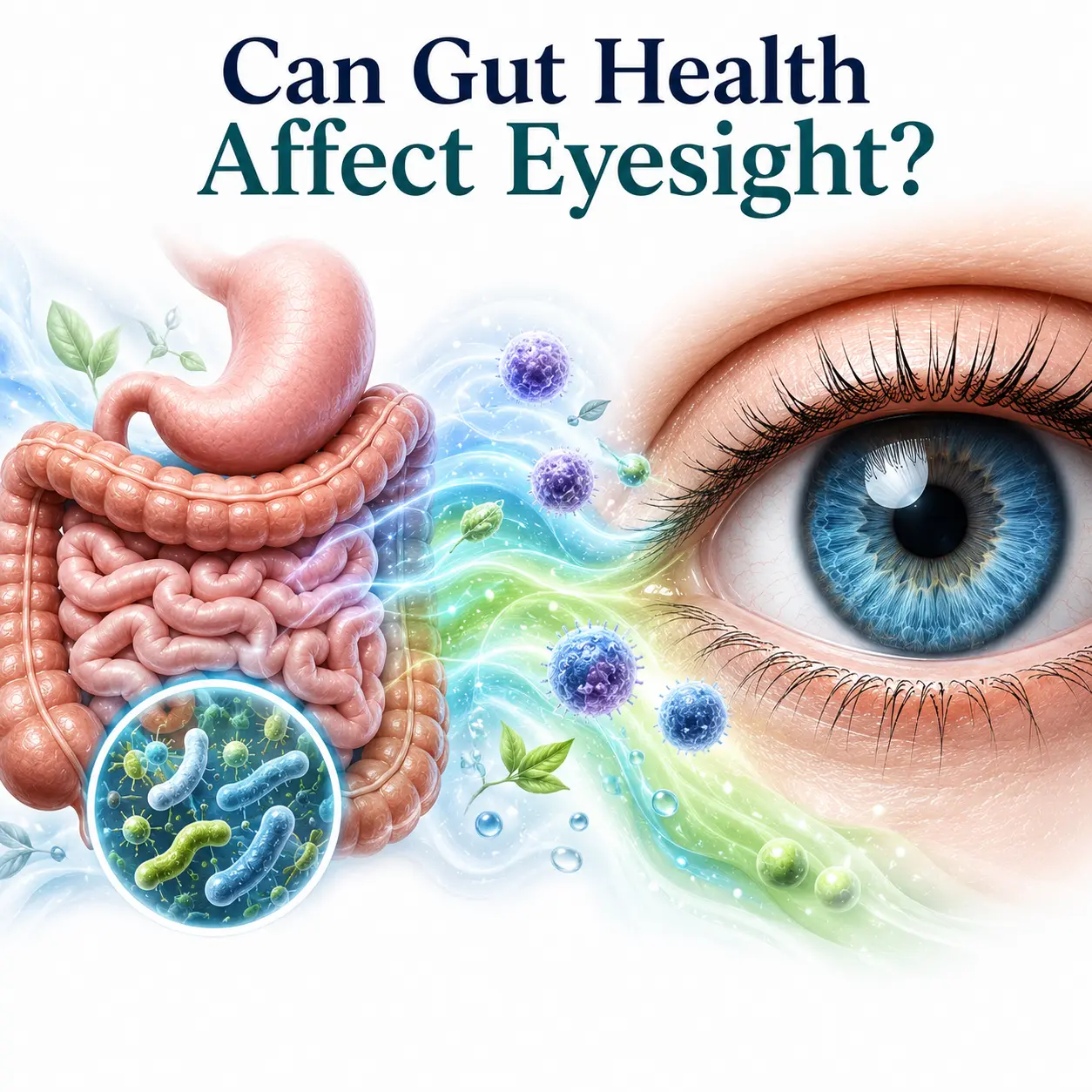
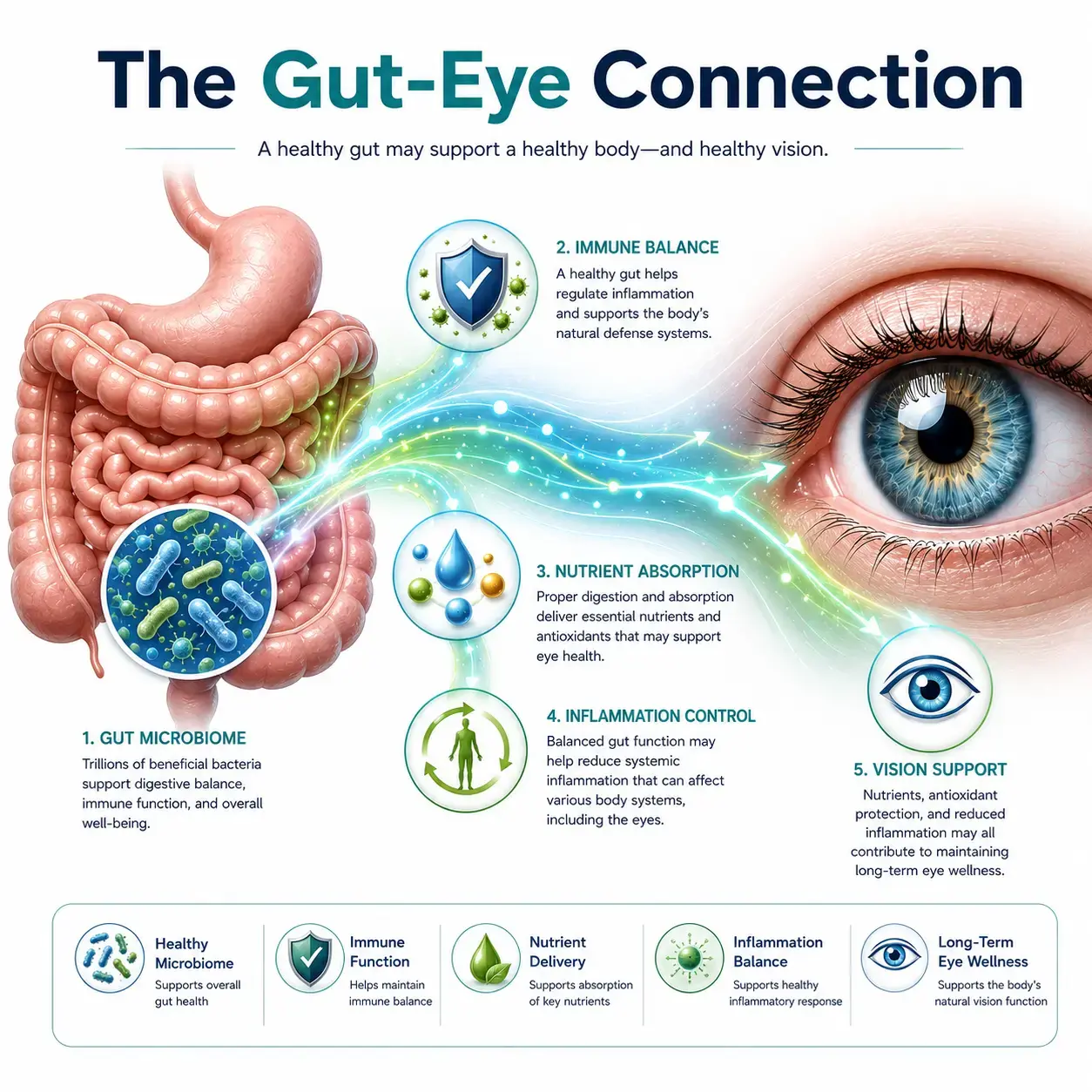
The gut-eye connection, sometimes referred to as the gut-eye axis, is the idea that gut health may influence eye health through several biological pathways. Although the gut and eyes are separate organs, they are connected by systems that regulate immune function, inflammation, and nutrient absorption throughout the body.
The human digestive tract contains trillions of microorganisms collectively known as the gut microbiome. These bacteria help support digestion, produce beneficial compounds, assist with nutrient absorption, and play an important role in maintaining immune balance.
Researchers are increasingly studying how disruptions in the gut microbiome may affect inflammation levels throughout the body. Because chronic inflammation has been linked to various health concerns, scientists are exploring whether changes in gut health could also influence certain aspects of eye health and visual function.
Another important factor is nutrient absorption. The eyes rely on nutrients such as Vitamin A, Lutein, Zeaxanthin, Zinc, and antioxidants to help maintain normal function. A healthy digestive system helps the body absorb and utilize these nutrients more effectively.
While research into the gut-eye axis is still evolving, current evidence suggests that maintaining a healthy gut microbiome may contribute to overall wellness, including factors that support long-term eye health.
In This Article
Can Gut Health Affect Eyesight?
The short answer is possibly yes, although researchers are still working to understand exactly how strong this connection may be.
Scientists have discovered that the gut microbiome influences several processes that are important for overall health, including immune regulation, inflammation control, and nutrient absorption. Because these same processes can affect the eyes, researchers are investigating whether gut health may play a role in supporting long-term visual wellness.
One of the most studied mechanisms involves inflammation. When the gut microbiome becomes imbalanced, it may contribute to increased inflammatory activity throughout the body. Since the eyes are sensitive to inflammatory changes, maintaining a healthy gut environment may help support normal eye function.
Another potential link involves nutrition. The eyes depend on nutrients such as Vitamin A, Lutein, Zeaxanthin, Zinc, and antioxidants to help maintain healthy vision. A well-functioning digestive system helps the body absorb and utilize these nutrients more efficiently.
It is important to understand that gut health is not a substitute for professional eye care. Factors such as aging, genetics, medical conditions, screen exposure, and lifestyle habits all influence vision. However, growing evidence suggests that supporting gut health may be one part of a broader strategy for maintaining overall eye health.
This emerging research has also influenced the development of newer vision-support supplements. For example, VisiFlora was formulated around the concept that digestive health, nutrient absorption, and visual wellness may be more closely connected than previously believed.
How the Gut Microbiome May Influence Vision Health
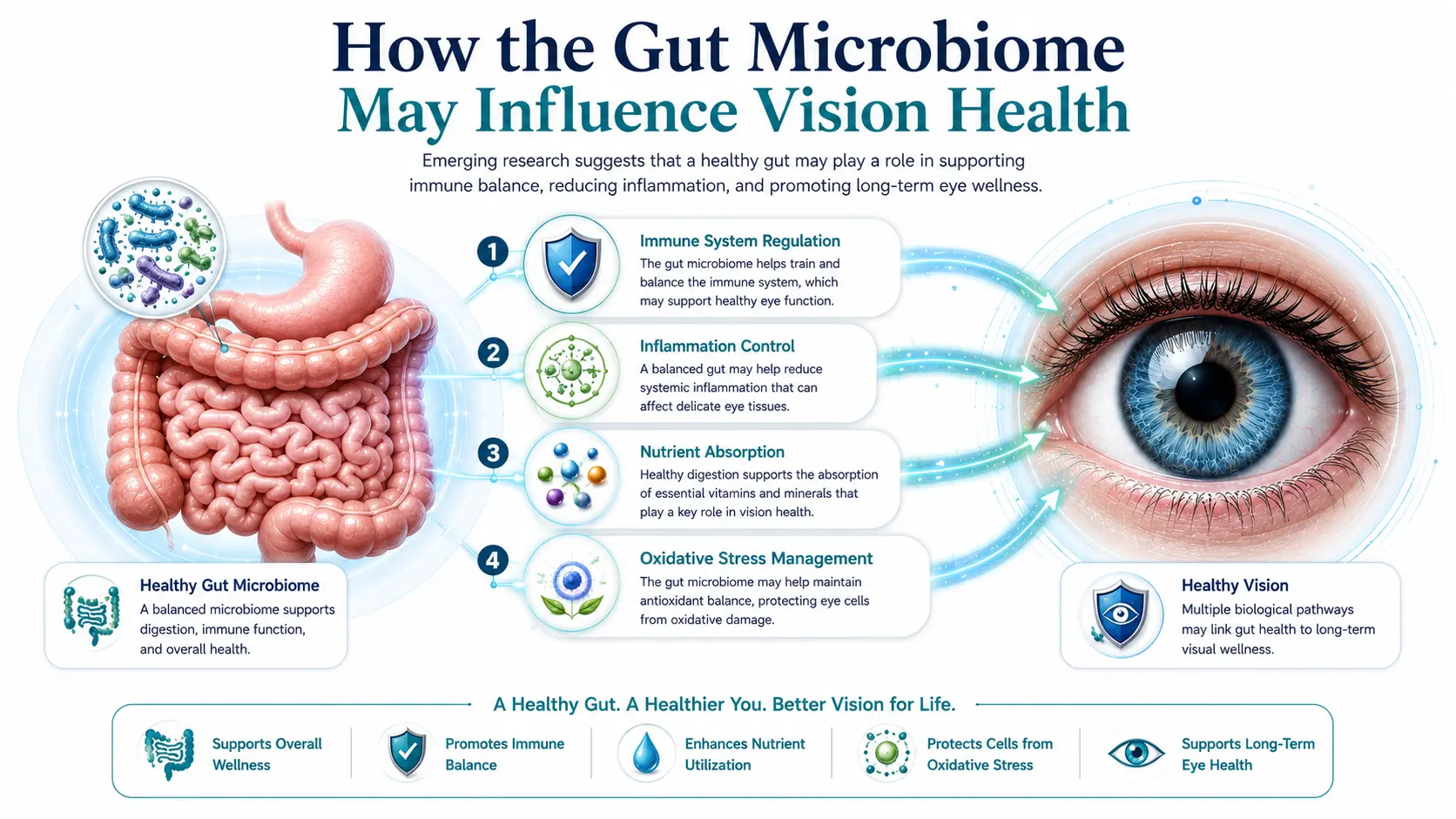
The gut microbiome refers to the trillions of bacteria, fungi, and other microorganisms that live in the digestive tract. These microbes do far more than help digest food—they also influence immune function, inflammation levels, and the body’s ability to absorb key nutrients.
Researchers believe the gut microbiome may affect eye health through several interconnected pathways.
Immune System Regulation
Nearly 70% of the body’s immune system is associated with the gut. A balanced gut microbiome helps support healthy immune responses, while disruptions in gut bacteria may contribute to immune dysfunction and chronic inflammation.
Because the eyes are sensitive to inflammatory processes, scientists are exploring how gut-related immune activity may influence long-term eye health.
Inflammation Control
Chronic low-grade inflammation has been linked to numerous health concerns. Some studies suggest that an unhealthy gut microbiome may contribute to increased inflammatory activity throughout the body.
Researchers are currently investigating whether reducing unnecessary inflammation through better gut health may also support overall visual wellness.
Nutrient Absorption
The digestive system plays a critical role in absorbing nutrients that support healthy vision. Nutrients such as Vitamin A, Lutein, Zeaxanthin, Zinc, and antioxidants depend on proper digestion and absorption to be effectively utilized by the body.
When digestive health is compromised, nutrient utilization may also be affected.
Oxidative Stress Management
The gut microbiome may influence the body’s antioxidant defenses. Antioxidants help protect cells from oxidative stress, which is one factor associated with aging and overall cellular health.
This is one reason why many eye-health strategies focus on both antioxidant intake and digestive wellness.
As interest in the gut health and vision connection grows, some supplement manufacturers have started combining vision-support nutrients with gut-focused ingredients. VisiFlora is one example of a supplement built around this emerging concept, incorporating antioxidants, botanical extracts, and nutrients intended to support both digestive and visual wellness.
Interested in a supplement designed around the gut-eye connection?
VisiFlora combines vision-support nutrients with ingredients intended to support digestive wellness and overall eye health.
Gut-Eye Axis Symptoms: Are There Warning Signs?
The gut-eye axis is still an emerging area of research, and there is currently no specific set of symptoms that can definitively confirm a gut-eye connection. However, researchers are exploring whether poor gut health and chronic inflammation may contribute to symptoms that affect both digestive and visual wellness.
Common Signs Associated With Poor Gut Health
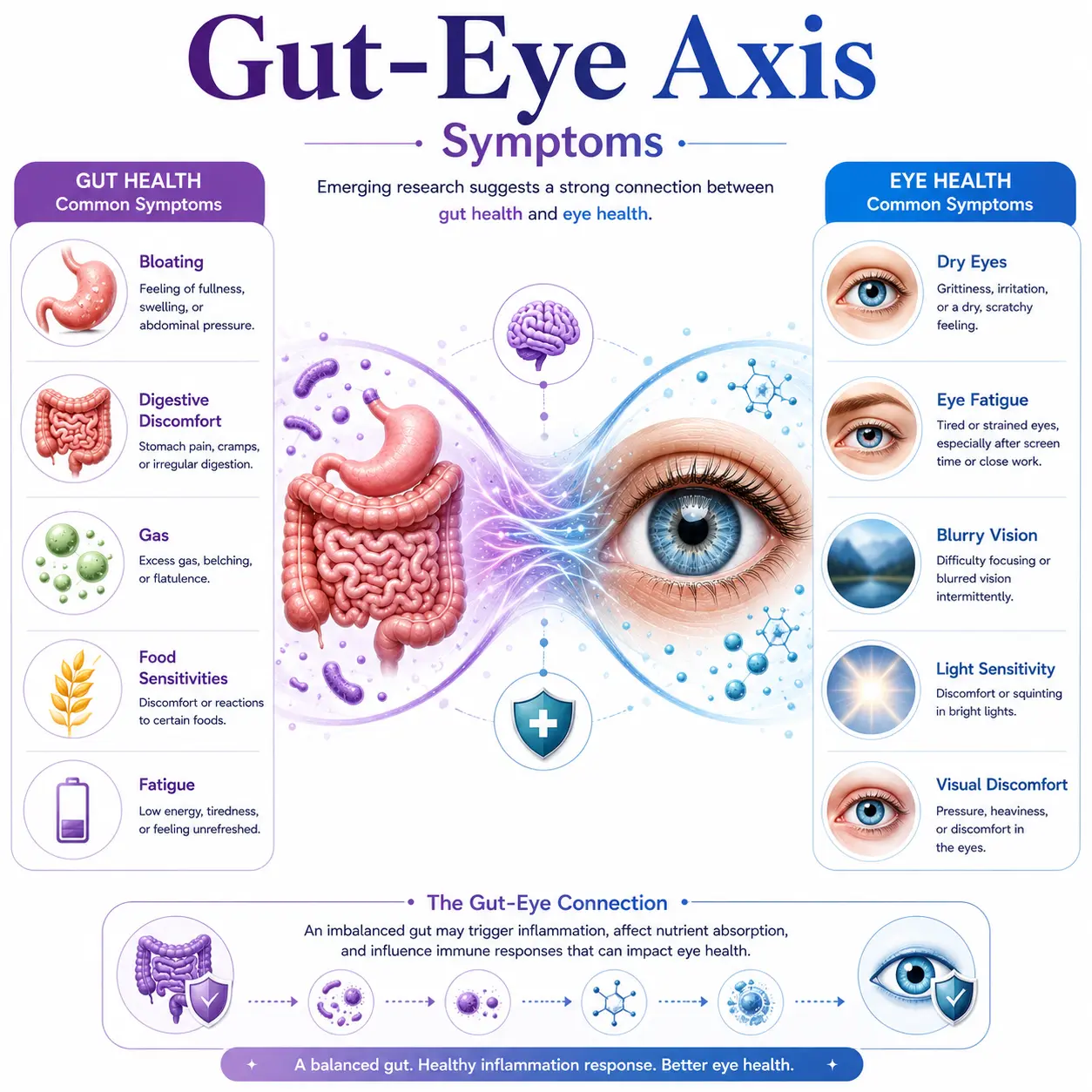
Some people with an imbalanced gut microbiome may experience:
- Frequent bloating
- Excess gas
- Digestive discomfort
- Irregular bowel habits
- Food sensitivities
- Persistent fatigue
These symptoms can have many causes, but they are often discussed in relation to overall gut health.
Eye Symptoms People Commonly Ask About
Many people searching for information about the gut health and vision connection are concerned about symptoms such as:
- Dry eyes
- Eye fatigue
- Blurry vision
- Light sensitivity
- Eye discomfort during screen use
While these symptoms may sometimes occur alongside digestive issues, they do not automatically indicate that gut health is the underlying cause.
Why Researchers Are Interested
Scientists are studying whether inflammation, immune responses, and nutrient absorption may help explain why some people experience both digestive and eye-related symptoms. However, more research is needed before clear conclusions can be drawn.
If you experience persistent vision changes, eye pain, sudden blurry vision, or other concerning symptoms, it is important to consult an eye care professional rather than relying solely on dietary or lifestyle changes.
Dry Eyes and Gut Health: Is There a Link?
Dry eyes occur when the eyes do not produce enough tears or when tears evaporate too quickly. Common causes include aging, prolonged screen use, air conditioning, contact lenses, certain medications, and environmental factors.
In recent years, researchers have begun exploring whether gut health may also play a role in overall eye comfort. While the evidence is still developing, some studies suggest that gut bacteria may influence biological processes that help maintain healthy tear production and eye surface function.
One reason this topic has gained attention is that many people experiencing digestive issues also report symptoms such as dry, irritated, or tired eyes. However, this does not necessarily mean that poor gut health directly causes dry eyes. Multiple factors can contribute to eye dryness, and each case is different.
For most people, the most effective approach to managing dry eyes still includes proper hydration, regular eye care, limiting excessive screen exposure, and addressing any underlying medical conditions. Supporting overall health—including digestive wellness—may be one piece of a broader strategy for maintaining long-term eye comfort.
As interest in the gut-eye connection continues to grow, some newer supplements, including VisiFlora, have been formulated around the idea of supporting both digestive and visual wellness through a combination of eye-health nutrients and gut-focused ingredients.
Can Stomach Problems Cause Blurred Vision?
Many people search for terms such as “can stomach problems cause blurred vision” or “can stomach gas cause blurry vision” when they experience digestive discomfort and vision changes at the same time. While stomach problems do not typically cause blurred vision directly, certain underlying factors may affect both digestive and visual health.
For example, dehydration caused by vomiting, diarrhea, or digestive illness can sometimes lead to temporary vision disturbances. Blood sugar fluctuations, nutritional deficiencies, and certain medications may also contribute to both digestive symptoms and changes in vision.
In some cases, digestive disorders that interfere with nutrient absorption may affect levels of nutrients that support normal eye function. However, blurred vision should not automatically be assumed to be related to digestive issues.
It is also important to remember that occasional stomach gas or bloating is unlikely to directly cause blurry vision. If blurred vision is sudden, persistent, or accompanied by symptoms such as eye pain, headaches, dizziness, or vision loss, professional medical evaluation is recommended.
Although researchers continue to study the relationship between digestive health and overall wellness, current evidence does not support the idea that common stomach problems directly cause blurred vision in most people.
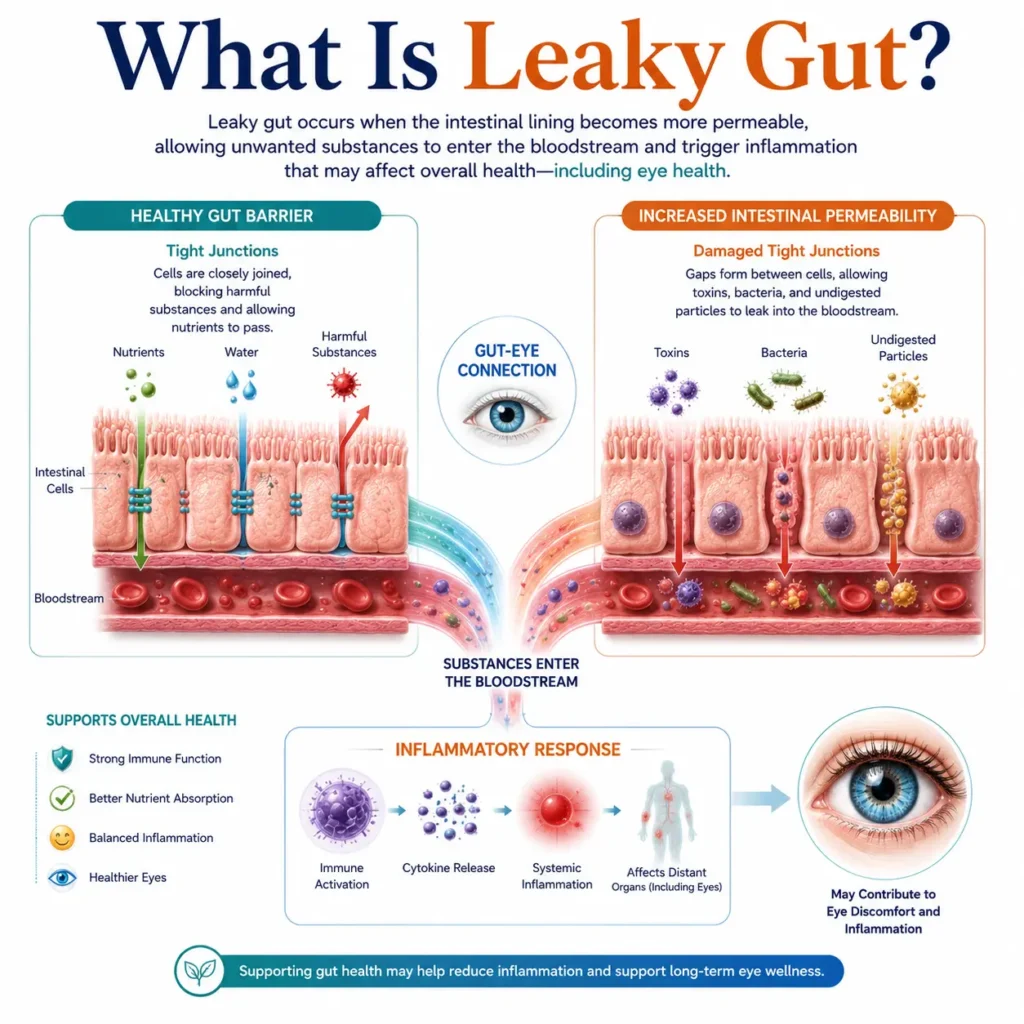
What Is Leaky Gut and Can It Affect Eye Health?
Leaky gut is a term commonly used to describe increased intestinal permeability, a condition in which the intestinal barrier may allow certain substances to pass into the bloodstream more easily than normal.
Researchers are studying whether changes in gut barrier function may influence inflammation and immune activity throughout the body. Because these processes can affect multiple organs, scientists have also begun investigating potential links between intestinal health and eye health.
At present, there is limited evidence showing that leaky gut directly causes eye problems. However, the topic remains an active area of research, particularly within the broader study of the gut-eye connection.
This growing interest has influenced the development of supplements such as VisiFlora, which combine vision-support nutrients with ingredients intended to support digestive wellness. While the concept is promising, more research is needed to fully understand how gut barrier health may affect long-term visual wellness.
Probiotics and Eye Health: What Does Research Say?
Probiotics are beneficial bacteria that help support a healthy gut microbiome. They are commonly used to promote digestive health, but researchers are increasingly studying whether they may influence other areas of wellness, including eye health.
Current research suggests that probiotics may help support immune balance and gut health, both of which are being investigated for their potential role in the gut-eye connection. However, there is currently limited evidence showing that probiotics directly improve eyesight or treat eye conditions.
While the science is still evolving, many researchers believe the gut microbiome may play a broader role in overall health than previously understood. This has led to growing interest in supplements that combine digestive wellness support with traditional vision-support nutrients.
One example is VisiFlora, which incorporates ingredients intended to support both eye health and digestive wellness as part of its gut-eye approach. However, more research is needed to fully understand the long-term relationship between probiotics, gut health, and vision.
Interested in a supplement built around probiotics and eye health?
VisiFlora combines vision-support nutrients with ingredients intended to support digestive wellness in a single daily formula.
How To Improve Gut Health
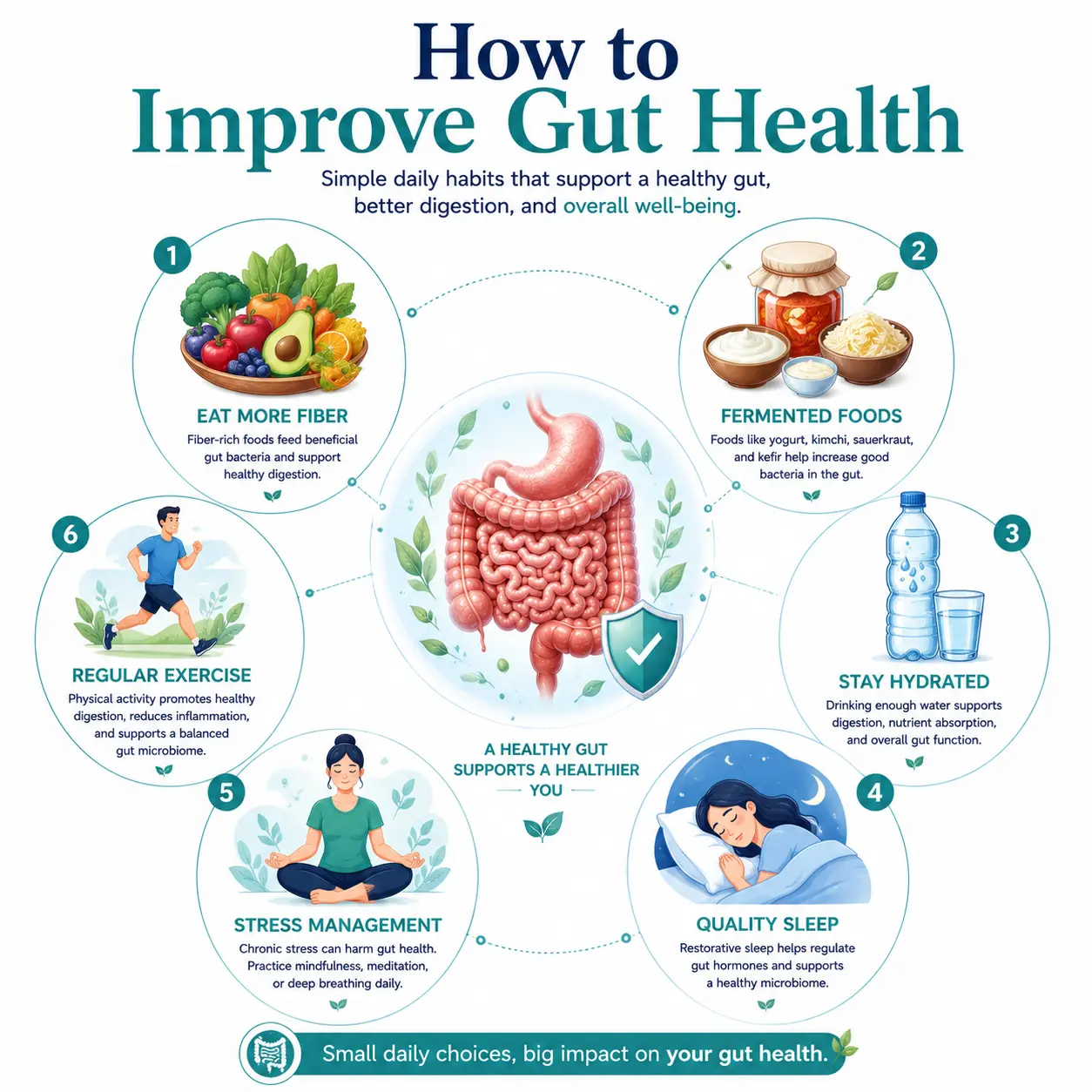
While research on the gut-eye connection is still evolving, maintaining a healthy gut offers benefits that extend far beyond digestion. A balanced gut microbiome supports nutrient utilization, immune function, and overall wellness.
Here are several habits that may help support gut health:
Eat More Fiber-Rich Foods
Foods such as fruits, vegetables, legumes, and whole grains provide fiber that helps nourish beneficial gut bacteria.
Include Fermented Foods
Yogurt, kefir, sauerkraut, kimchi, and other fermented foods contain naturally occurring probiotics that may help support microbiome diversity.
Stay Hydrated
Drinking enough water supports healthy digestion and helps the body function efficiently.
Prioritize Sleep
Poor sleep may negatively affect the gut microbiome. Consistent, quality sleep supports overall health and recovery.
Manage Stress
Long-term stress can influence digestive health. Activities such as walking, meditation, and regular exercise may help support gut balance.
Exercise Regularly
Physical activity has been associated with greater microbial diversity and improved overall wellness.
Nutrients That Support Both Gut Health and Eye Health
Certain nutrients play important roles in maintaining overall wellness and are commonly associated with both digestive and visual health.
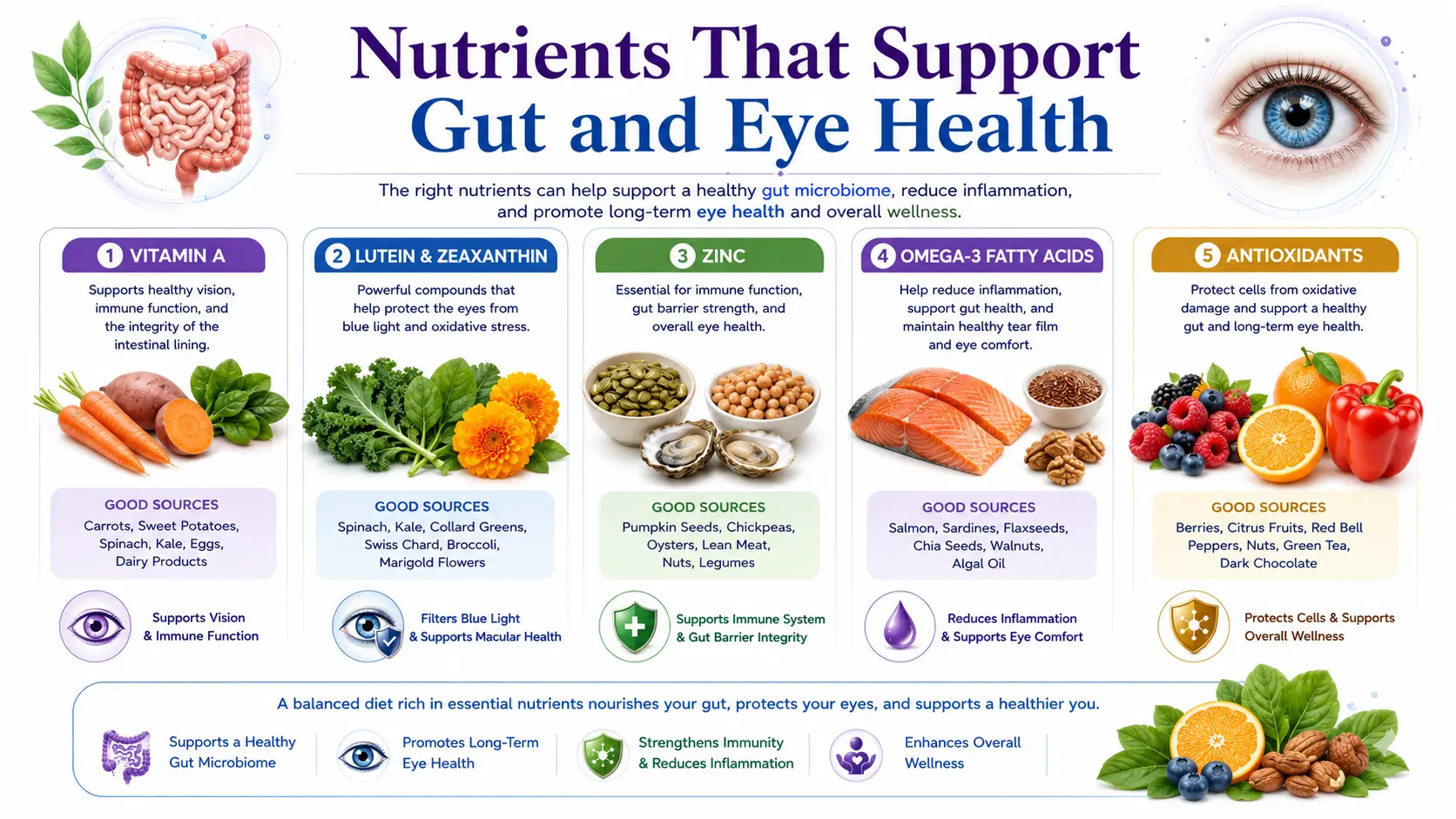
Vitamin A
Vitamin A supports normal vision, particularly in low-light conditions, and helps maintain healthy tissues throughout the body.
Omega-3 Fatty Acids
Omega-3s are widely recognized for supporting overall health and may help maintain eye comfort while supporting healthy inflammatory responses.
Lutein & Zeaxanthin
Often referred to as the eye’s natural filters, these carotenoids help protect the eyes from oxidative stress and exposure to blue light.
Zinc
Zinc contributes to normal immune function and helps support the body’s ability to utilize Vitamin A effectively.
Antioxidants
Compounds such as Vitamin C, Vitamin E, Astaxanthin, and Bilberry Extract help protect cells from oxidative stress and support long-term wellness.
Many of the nutrients discussed above are commonly found in modern vision-support formulas. If you’d like to learn more about how these ingredients are combined in a single supplement, you can explore VisiFlora, a formula developed around the emerging gut-eye connection and long-term eye health support.
Final Thoughts: Understanding the Gut-Eye Connection
The relationship between gut health and eye health is an emerging area of research that continues to attract attention from scientists and healthcare professionals. While many questions remain unanswered, current evidence suggests that the gut microbiome may influence several biological processes that are important for overall wellness, including immune function, inflammation balance, and nutrient utilization.
At the same time, it is important to maintain realistic expectations. Supporting gut health alone is unlikely to solve every vision concern, and factors such as age, genetics, lifestyle habits, and underlying health conditions continue to play major roles in long-term eye health.
The most practical approach is to focus on the fundamentals: a nutrient-rich diet, regular exercise, adequate sleep, proper hydration, and routine eye care. These habits support both digestive wellness and overall health.
As interest in the gut-eye connection continues to grow, supplements such as VisiFlora have been developed around this concept by combining vision-support nutrients with ingredients intended to support digestive wellness. While research is still evolving, these formulas reflect a growing interest in the connection between the gut microbiome and visual health.
Want a closer look at the ingredients, benefits, pricing, safety information, and customer feedback?
Read our complete VisiFlora Review to see how the formula compares with other vision-support supplements and whether it may be worth considering.
Frequently Asked Questions
Emerging research suggests that gut health may influence factors such as immune function, inflammation, and nutrient utilization, all of which can affect overall wellness. While scientists are still studying the relationship, growing evidence supports the idea that the gut microbiome may play a role in long-term eye health.
The gut microbiome helps regulate digestion, immune responses, and various biological processes throughout the body. Researchers believe that a balanced gut microbiome may support overall health, including factors that contribute to healthy vision and eye function.
There is currently limited evidence that probiotics directly improve eyesight. However, researchers continue to investigate whether probiotics may support eye health indirectly through their effects on gut health, immune balance, and overall wellness.
Some researchers are exploring whether gut health may influence factors associated with eye comfort and tear production. While studies are ongoing, there is currently no definitive evidence that poor gut health directly causes dry eyes.
Common digestive issues such as bloating or stomach gas do not typically cause blurred vision directly. However, factors such as dehydration, nutritional deficiencies, blood sugar fluctuations, and certain medical conditions may contribute to both digestive symptoms and temporary vision changes.
Common signs that may be associated with poor gut health include bloating, digestive discomfort, gas, irregular bowel habits, food sensitivities, and persistent fatigue. These symptoms can have many possible causes and should not be used to self-diagnose a medical condition.
Several nutrients are commonly associated with digestive and visual wellness, including Vitamin A, Lutein, Zeaxanthin, Zinc, Omega-3 fatty acids, and various antioxidants. These nutrients are often included in comprehensive eye-health supplements.
Eye supplements are not intended to cure vision problems or replace professional eye care. However, certain nutrients may help support normal eye function, visual comfort, and long-term eye health when combined with healthy lifestyle habits.
According to the manufacturer, VisiFlora is formulated with non-GMO, vegan-friendly ingredients and is intended for daily use. As with any dietary supplement, individuals who are pregnant, nursing, taking medications, or managing a medical condition should consult a healthcare professional before use.
VisiFlora is available exclusively through the official website. Purchasing directly from the manufacturer helps ensure product authenticity and provides access to current pricing, package options, promotional offers, and refund policies.
Additional Resources
Readers interested in learning more about eye health, vision care, and the relationship between nutrition and overall wellness may find the following resources helpful:
National Eye Institute (NEI): Information on eye conditions, vision research, healthy vision practices, and eye care recommendations.
https://www.nei.nih.gov
American Academy of Ophthalmology (AAO): Educational resources covering eye diseases, eye exams, treatment options, and preventive vision care.
https://www.aao.org
MedlinePlus Eye Health Resources: Consumer-friendly information about eye conditions, symptoms, treatments, and vision-related health topics.
https://medlineplus.gov/eyehealth.html
National Institutes of Health (NIH): Scientific research and health information related to nutrition, inflammation, aging, and overall wellness.
https://www.nih.gov
CDC Vision Health Initiative: Resources focused on vision protection, eye health awareness, and public health education.
https://www.cdc.gov/vision-health
Affiliate Disclosure
Disclaimer: This article may contain affiliate links. If you purchase VisiFlora or another product through links on this website, we may earn a commission at no additional cost to you.
Our goal is to provide helpful, research-based, and educational health content that allows readers to make informed decisions. Affiliate partnerships do not influence our information, analysis, or recommendations.
The information provided on this website is for educational purposes only and should not replace advice from a qualified healthcare professional. Always review product details carefully and consult your healthcare provider before using any dietary supplement, especially if you have a medical condition or take medications.
Health Disclaimer
Disclaimer: The information provided in this article is for educational purposes only and should not be considered medical advice. Dietary supplements are not intended to diagnose, treat, cure, or prevent any disease. Always consult a qualified healthcare professional before starting any supplement or making changes to your health routine.
Related Health Guides & Reviews
| Category | Recommended Guides & Reviews |
|---|---|
| Vision & Eye Health | VisiFlora Review, The Gut-Eye Connection Explained |
| Weight Loss & Metabolism | All Day Slimming Tea & Cardio Slim Tea |
| Dental Care & Oral Health | ProDentim & Synadentix |
| Best Dental & Oral Care Supplements | Top 4 Oral Probiotics & Dental Health Supplements in 2026 |
| Men’s Vitality & Prostate Health | ProstaVive, The Men’s Prostate Health Guide |
| Women’s Bladder Health | FemiCore: Supports a Strong Bladder |